Insights
/
2025
The Micro-Compute Mindset: Why Slicing Resources Beats Renting Instances
Stop paying for idle capacity—pack jobs tightly, bill by micro-units, and measure success as $/completed task.

Arin Patel, Distributed Systems Architect
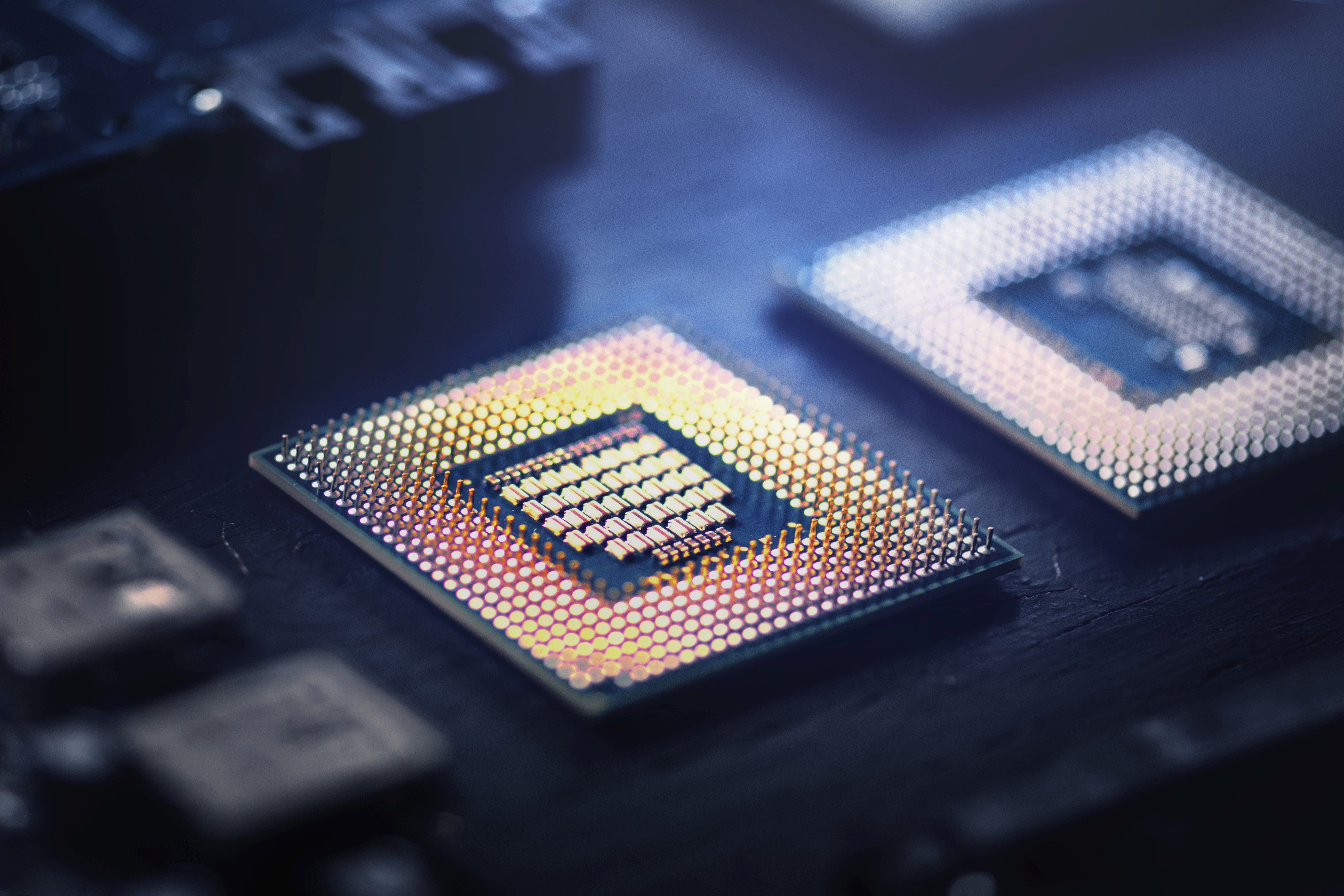
Most teams still rent whole instances or full GPUs for workloads that only use a fraction of them. That’s like reserving an entire cargo plane to ship a shoebox. Micro-compute flips the model: you request vCPU-minutes, GPU-core-hours, and GB-hours of RAM, then a scheduler packs your job alongside others on the same hardware.
The payoff is threefold:
Utilization → Cost
Your real cost isn’t $/hour—it’s $ per completed job. Micro-slicing raises utilization (think 70–95%), which drives down that metric without changing your code.Throughput without Sprawl
Instead of hunting for 10 identical 8-GPU machines, you can compose capacity from many providers. The matching layer stitches together “slices” to hit your target in aggregate.Operational Headroom
Short jobs finish sooner when the local agent can rebalance slices on the fly. Starvation drops; tail latency improves.
How to adopt the micro-compute mindset
Checkpoint routinely. Assume preemption is possible; treat it like spot but with better packing.
Declare resource ceilings and floors per task, not per VM.
Instrument effective cost. Track $/epoch, $/1k inferences, or $/completed render.
Use proofs/receipts. Favor platforms that provide verifiable usage so finance and engineering can reconcile.
Where it shines
Model fine-tuning and batch inference
Graphics rendering and media transcodes
ETL bursts and parameter sweeps
The bottom line: stop renting empty seats. Micro-compute lets you buy exactly what you use, convert idle slices into throughput, and measure cost where it matters—at completion.